
A property film gives the viewer a route through a place they do not know. Its first responsibility is to make that route understandable.
The pool, kitchen and terrace can all look appealing while their relationship remains unclear. A useful edit connects them without suggesting a different layout.
This guide draws on named AchMedia shoots. It explains production choices, not a study claiming that one format produces more sales than another.
Write the viewer's questions before the shot list
Start with the reason someone might open the property page. A family considering a stay may need to understand shared spaces and bedroom access. Someone planning an event may ask about circulation between inside and outside. A prospective buyer also needs documents that the film cannot supply. These are different information needs, even when they concern the same building.
Write those questions in ordinary language. Can someone move from the living room to the garden without crossing a bedroom? Is the terrace attached to the main building? Which rooms share the view shown in the opening image? The answers suggest the necessary camera positions. They also reveal which details need text or a plan rather than another moving shot.
Give each image a job
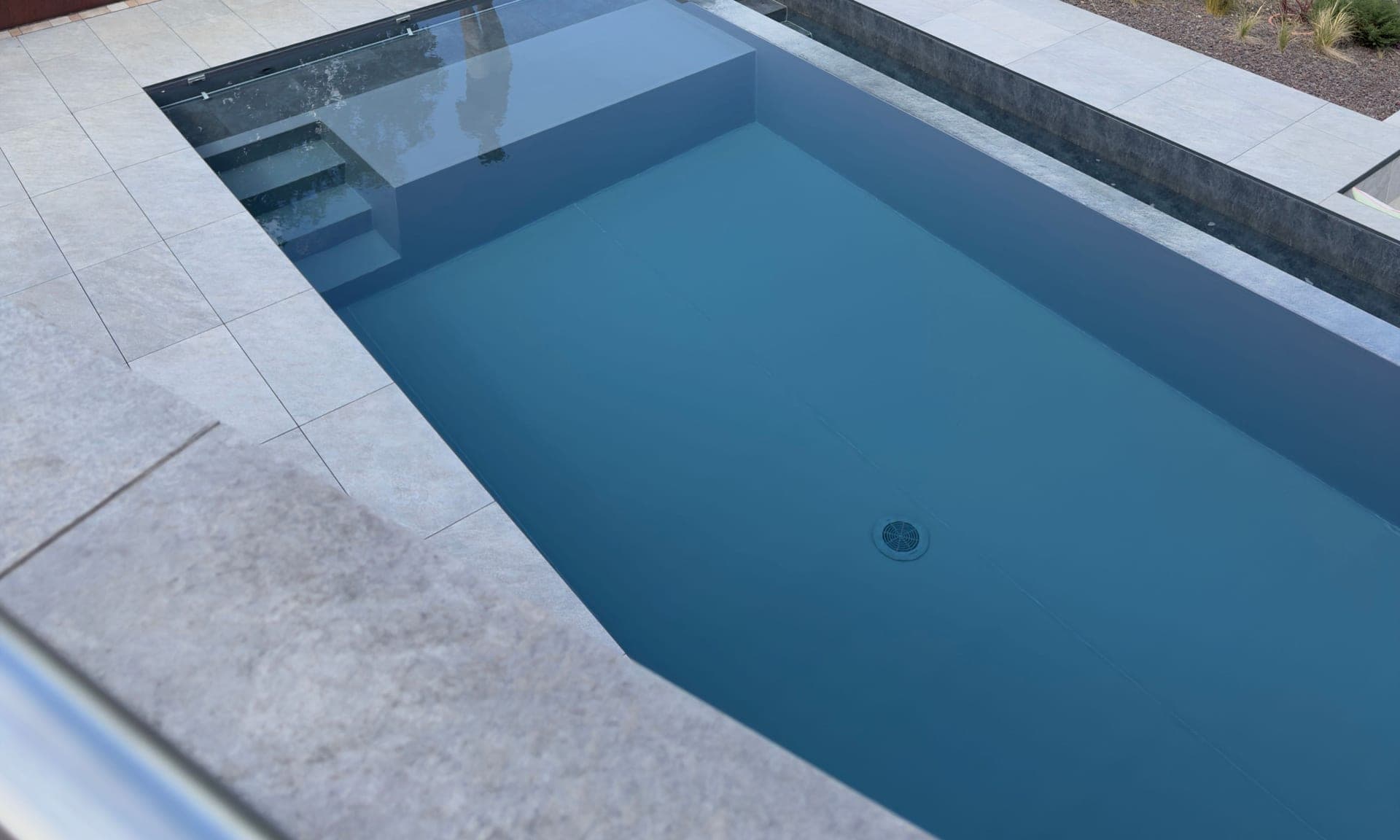
At the filmed villa in Dettwiller, an upstairs viewpoint shows the pool and sunken seating area together. A close view of the pool edge describes a much smaller detail. Both belong to the same shoot, but they answer different questions. The wide image explains arrangement. The detail draws attention to a visible finish without measuring or certifying it.
Use that distinction when reviewing a shot list. An establishing view introduces the setting. A passage connects spaces. A detail makes something specific visible. These are editorial functions, not a compulsory formula. If every proposed image is a close detail, the viewer may never understand the house. If every image is wide, useful features can remain too small to read.
Preserve the route between rooms
A cut can shorten a walk without changing its meaning. It can also imply that spaces connect when they do not. Keep recognisable thresholds in the important transitions. A doorway, staircase or terrace edge gives viewers a reference they can carry into the next shot. The camera movement should reinforce that reference rather than reverse it accidentally.
Detached spaces need particular care. Name an annexe when the sequence leaves the main building. Identify a shared facility instead of allowing an empty frame to imply exclusive use. These labels may feel less glamorous than an uninterrupted montage, but they make the film more useful. The owner should verify the wording before it becomes part of the public description.
Choose the format for the question
A film guides attention through an edited sequence. An interactive tour gives the viewer more control over the route. An aerial shot can explain the property's setting when the proposed flight is feasible. None automatically replaces the others. Commissioning every available format can add work without resolving the questions that matter to this particular property.
Our property video service begins with that production brief. The drone filming page explains why aerial work needs its own assessment. Choose a format because it supplies useful information. Do not describe it as more effective at selling unless a relevant, well-designed comparison actually supports that claim. No such comparison is presented in this guide.
Prepare the property without rewriting it
Preparation removes distractions and makes access predictable. Put personal documents away, inspect mirrors and agree where equipment can be placed. Tell the crew which rooms are available and which areas must remain private. The person organising access should be able to answer practical questions while the shoot is taking place. A locked room cannot be fixed in the edit.
Tidying should not conceal something the description needs to explain. Temporary furniture can make a space readable, but it must not create a false impression of what is included. Discuss any staging with the owner. If the film shows an arrangement prepared for filming, avoid captions that present it as a permanent service or guaranteed feature of every stay.
Plan light as part of the description
Light affects the visibility of rooms and the appearance of materials. A bright opening can leave the room around it difficult to read. A terrace filmed late in the day may look different at another hour. The production plan should choose useful moments while preserving that distinction. Attractive light is a filming choice, not a promise about daily conditions.
Review adjoining shots together rather than approving isolated frames. Large shifts in brightness can make the route feel discontinuous. Colour treatment should support a coherent film without replacing the recorded appearance with an invented finish. If a viewer asks about orientation or seasonal sunlight, the responsible property contact should answer from appropriate information. The footage alone cannot settle that question.
Decide what sound is doing
Sound can guide the pace of a finished film, but it should not be confused with evidence about the property. Added music says nothing about noise levels. An edit assembled with sound design is not an acoustic survey. If quietness matters to a prospective occupant, that question belongs in a separate conversation and, where appropriate, an on-site assessment.
The short Dettwiller excerpt below is silent. It is included to discuss the viewpoint, not demonstrate a narrated tour. A production quote should distinguish the main film's sound treatment from silent previews, captions and any spoken versions. Avoid promising narration through a play button when the file contains none. The surrounding text should explain exactly what the viewer will receive.
Treat wide and vertical versions as separate edits
A phone-shaped crop can remove the doorway that explains a room. A wide export can make a detail disappear on a small screen. Plan the required versions before shooting so the composition supports each use. Do not assume that resizing the finished film will preserve the same information. Some sequences need a different opening or a different choice of shot.
The destination matters as much as the aspect ratio. A short social version can introduce the property and direct viewers towards a fuller page. A website film can spend more time explaining the layout. Neither requires an invented universal duration. The property video cost guide shows how to describe versions and review work in the quote.
Build the page that follows the film
The next page should name the same property and preserve the same distinctions. Put the location, available facts and responsible contact where the visitor can find them. State which information remains unconfirmed. A polished film followed by an ambiguous page makes the person start their research again. That break is an editorial problem as well as a website problem.
Parcelle supports the connection between the property and its enquiry route. An enquiry is not a booking confirmation. A filmed villa is not evidence that AchMedia holds a sales mandate. The owner or appointed agency handles availability, terms and payment. Keeping that role visible makes the next action understandable without pretending that production and transaction are the same service.
Publish the actual film, with accurate supporting information
Google's video guidance calls for accessible videos, consistent descriptions and valid thumbnails. It also distinguishes a dedicated watch page from an article where video supports the text. Adding structured data does not guarantee a video result. Those points matter when deciding how a property film should appear on the website.
For the reader, the practical check is simpler. Can they identify the property before playback? Does the poster match the film? Are the essential features also available as text? Test the page with the film paused and with the sound off. Those checks reveal information that the page may otherwise hide inside a moving sequence or an unavailable audio track.
Measure the stages separately
Views, page visits and enquiries are not interchangeable. A platform may count repeated plays, while a website records a different event. Start any report by defining the measure and observation period. Identify which channels were actually instrumented. When information is missing, mark it unavailable rather than presenting an empty field as proof that nobody responded.
Then examine the content of the enquiries. Repeated questions about location may point to missing information. Requests for an absent feature may reveal an ambiguous caption. These observations can guide a revision without proving that the film caused a business outcome. A completed booking or sale requires its own confirmed record and a careful account of how it was attributed.
Keep a usable film library
Store the property name, shot subject and approval information with the files. Keep the shoot date separate from the publication date. Reusing an archive image in a new edit does not create a new shoot. If an owner changes a room or removes an amenity, that record helps identify which publications now need a note or replacement.
The Saint-Paul-de-Vence film, Marrakech riad and Koh Samui villa require different sequences. The common standard is provenance. Every image should stay connected to its actual place and the limited facts it supports. That is what turns a collection of attractive footage into a useful property presentation.
| Question | Useful material | What it does not establish |
|---|---|---|
| How do the spaces connect? | Film sequence and labelled plan | Measured dimensions |
| What does the material look like? | A clear close view | Technical condition or certification |
| Who can confirm availability? | Official property contact | A reservation merely from watching |
Source: AchMedia editorial framework, illustrated by the named shoots in the property collection. Not a performance study.
Frequently asked questions
Does a property film replace an in-person viewing?
It can prepare a viewing and help someone decide what to ask. It does not verify dimensions, technical condition or the documents attached to the property.
Should every film include a drone?
No. Include aerial footage when it explains something important and the proposed flight is feasible. A clear ground-level sequence may answer the question without it.
What is the right length for a property video?
Start with the information and channel rather than a fixed duration. Remove repetition while preserving the route through the property. No duration guarantees an enquiry.
How should success be reported?
Define each measure and period. Keep exposure, page visits, enquiries and confirmed transactions separate. A missing measurement should be labelled unavailable, not converted into a zero.